Nigg1

Assessing physical activity, sitting time, and sleep among childhood cancer survivors with accelerometers

Assessing physical activity, sitting time, and sleep among childhood cancer survivors with accelerometers

Each year, around 350 children and adolescents in Switzerland are diagnosed with childhood cancer. Fortunately, most children and adolescents nowadays can be cured. But cancer treatment is intensive and can lead to late effects, such as heart problems, and challenges in everyday life, such as feeling fatigued. To mitigate late effects, healthy 24-hour physical behaviors, including sufficient physical activity and sleep, and limited sitting time, are very important. To measure those behaviors, researchers use accelerometers. These are small, wearable sensors that measure acceleration. The data obtained from the accelerometers is processed to obtain information about 24-hour physical behaviors.

Thanks to the Berne University Research Foundation, we could purchase 30 activPAL accelerometers and start the Swiss Childhood Cancer Survivor Study (SCCSS)-Activity (https://www.swiss-ccss.ch/en/research-projects/). In this study, childhood cancer survivors wear an accelerometer attached to their thigh continuously for one week, while engaging in their everyday life as usual.

To date, more than 80 survivors have already participated in our study, and we are still in the data collection process. Most participants wore the accelerometer continuously for the whole week, reported that it was barely noticeable, and were highly reliable in returning the accelerometer. Participants were excited to receive an individual summary report showing time spent in each of the 24-hour physical behaviors, allowing them to identify in which areas they are already doing well and where they could improve.

Once data collection has been completed, we can find out which survivors are especially prone to unhealthy 24-hour physical behaviors. This will allow us to inform and develop targeted interventions to promote physical activity and sleep, and reduce sitting time.

Dr. Carina Nigg
Prof. Dr. med. Claudia Kuehni

Childhood Cancer Research Group
Institute of Social and Preventive Medicine (ISPM)

Witthauer2

An optical setup for ketone monitoring for improved management of diabetes

An optical setup for ketone monitoring for improved management of diabetes

Diabetic ketoacidosis, a serious complication of diabetes, necessitates the early detection of ketones in the blood. Although continuous glucose monitoring has been widely implemented, real-time ketone sensing remains unavailable. In this project, an optical system utilizing polarimetric spectroscopy has been developed to measure how ketones, as chiral molecules, rotate the polarization of light. By analyzing this optical rotation, ketone levels can be precisely determined.

The system has been constructed with lenses to direct light, liquid crystal cells to dynamically control polarization, Glan-Thompson prisms for precise polarization filtering, and a data acquisition card to record and process signals. A key role is played by the liquid crystal cells, which introduce controllable phase delays, allowing fine-tuned modulation of light polarization before detection. This approach enhances measurement precision and enables more accurate ketone detection.

With funding from the UniBern Forschungsstiftung, the desktop system has been successfully built and tested. This setup establishes a foundation for future development of wearable sensor systems, contributing to advancements in metabolic monitoring for diabetes care.

Prof. Dr. Lilian Witthauer

Sensing and Montioring Lab, Department of Diabetes, Endocrinology, Nutritional Medicine and Metabolism, Medical Faculty, University of Bern

https://samlab.org/

Figure 1: Data acquistion system
Figure 2: Optical setup with liquid crystal cells and Glan-Thompson prisms.
Figure 3: Induced phase shift by the liquid crystals.
Frei2

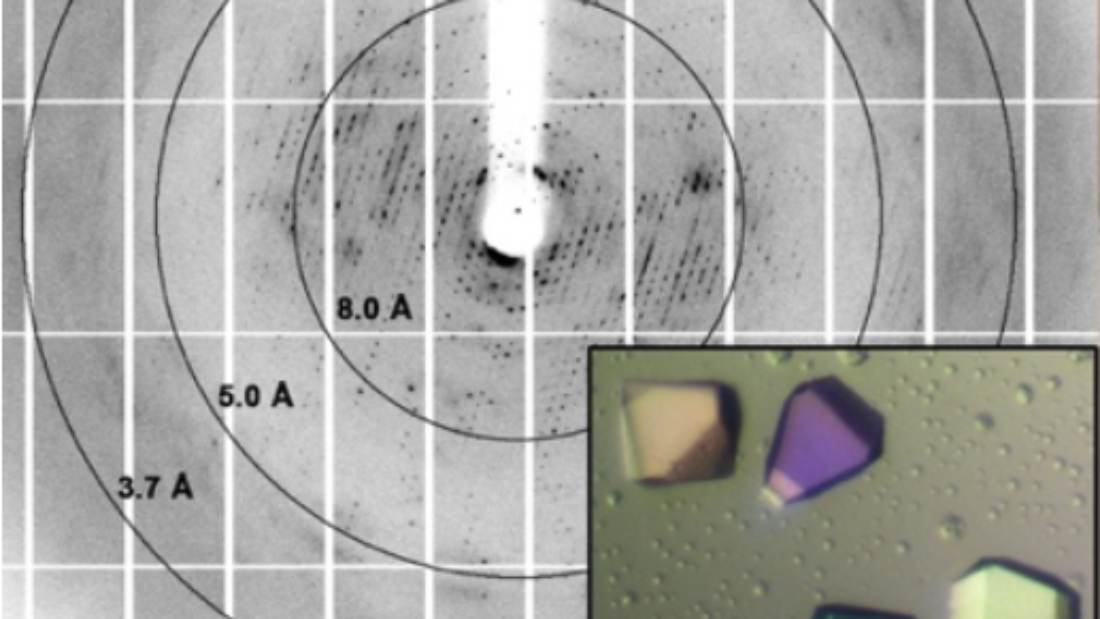
Systematic Exploration of Novel Chemical Spaces for New Antimicrobial Agents

Systematic Exploration of Novel Chemical Spaces for New Antimicrobial Agents

Our group is interested in the synthesis, characterisation and biological evaluation of transition metal complexes as antimicrobials (www.thefreilab.com). We prepare large libraries of hundreds of compounds and evaluate their antibacterial properties. While these assays can be read-out by eye, this is an error-prone and low-throughput procedure. With the TECAN Infinite M Nano (Figure 1) acquire with support from the UniBern Forschungsstiftungs grant via the BEKB Förderfonds funding pool, we can read out up to 96 compounds (Figure 2) with high precision in a fraction of the time. However, our use of the plate-reader is not limited to antimicrobial assays. We also utilise it for haemolysis assays where we determine if a given compound has the (unwanted) capacity to destroy red blood cells (Figure 3).

Furthermore, we have also utilised the plate-reader for mode of action studies, utilising fluorescent dyes to e.g. quantify if bacterial membranes are destroyed. We also monitored 96 catalytic reactions performed by our compound library in real time over 12 hours to compare the catalytic performance of 96 metal compounds at once (Figure 4).

Overall, the acquisition of this instrument has had rippling benefits throughout all areas of our research, and we keep finding novel ways to utilise it.

Dr. Angelo Frei
Departement für Chemie, Biochemie und Pharmazie

www.thefreilab.com

Die Projektförderung wurde ermöglicht durch einen Beitrag des BEKB Förderfonds
Figure 1. The Infinite M Nano Plate Reader acquired with financial support by the UniBern Forschungsstiftung and the BEKB Förderfonds.
Figure 2. A 96 well plate containing 84 different metal complexes to be tested for antimicrobial properties.
Frei3
Figure 3. A 96 well plate with 64 different compounds in combination with human blood. Turbid wells indicate that the present compound causes (undesirable) damage to the red blood cells.
Figure 4. Time-resolved UV/Vis Spectra of 96 different catalytic reactions
Bild1_Labor

«Testing and training perception-action coupling in virtual reality»

«Testing and training perception-action coupling in virtual reality»

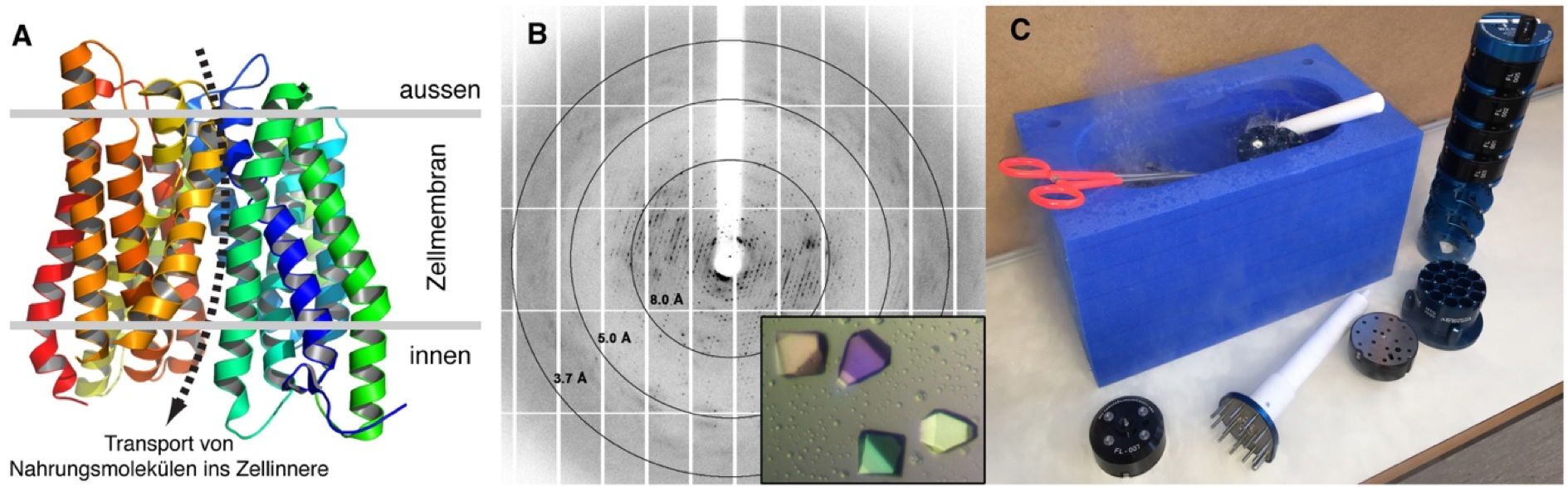
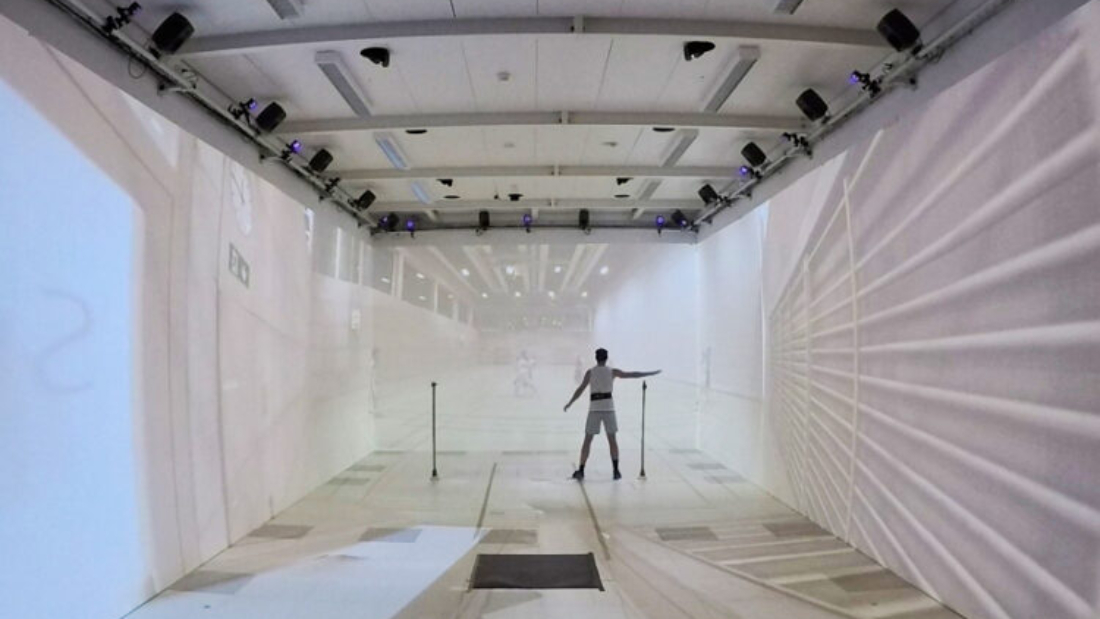
In der Abteilung Bewegung und Training des Instituts für Sportwissenschaft beschäftigen wir uns unter anderem mit der visuellen Wahrnehmung bei komplexen sportlichen Handlungen. Typischerweise untersuchen wir das Verhalten von Sportlern in unserem Sensomotoriklabor (Bild 1).

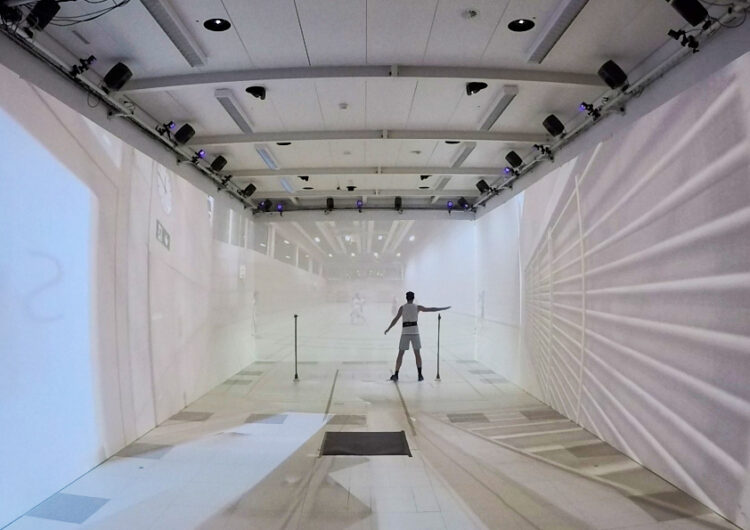
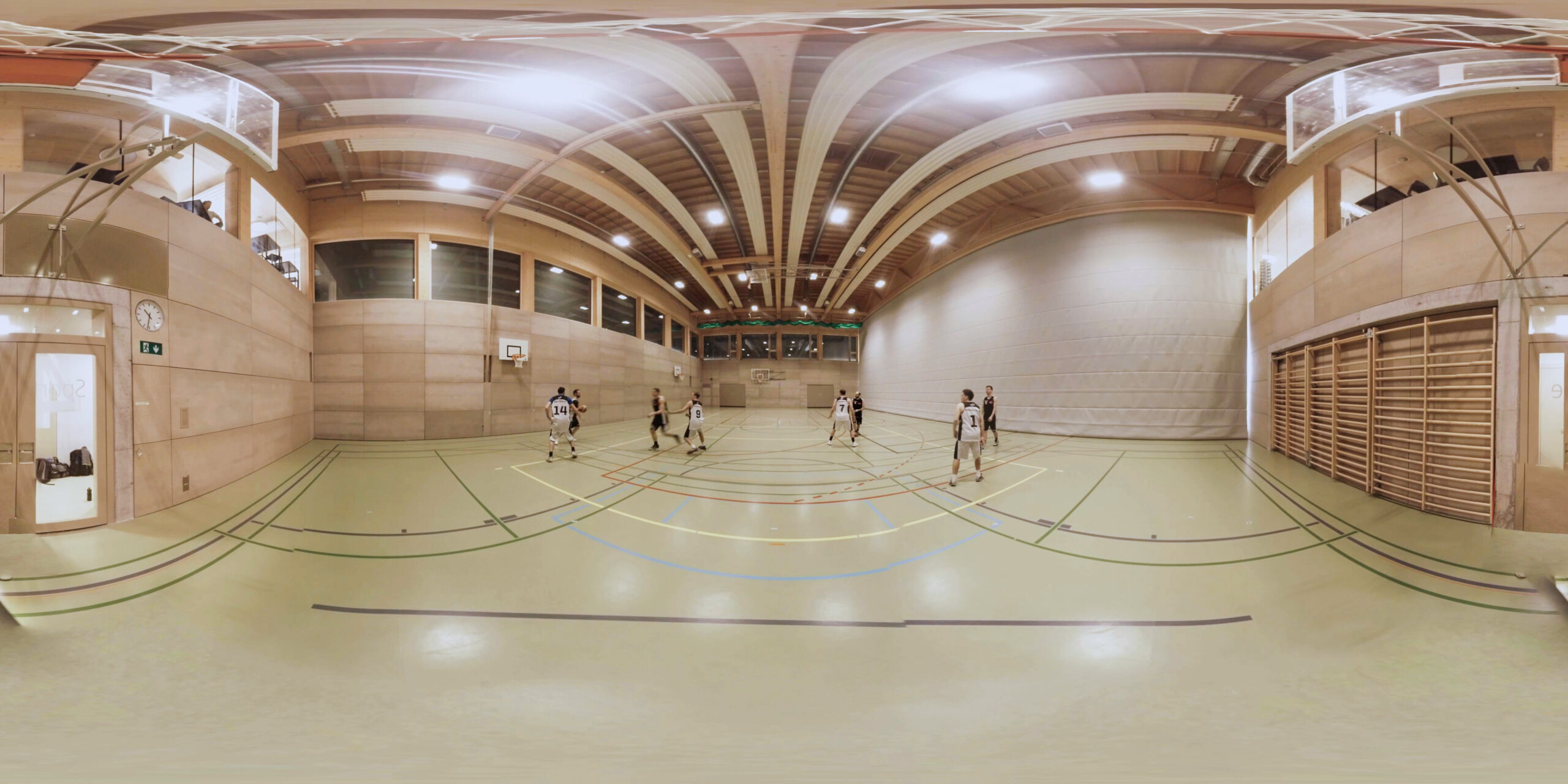
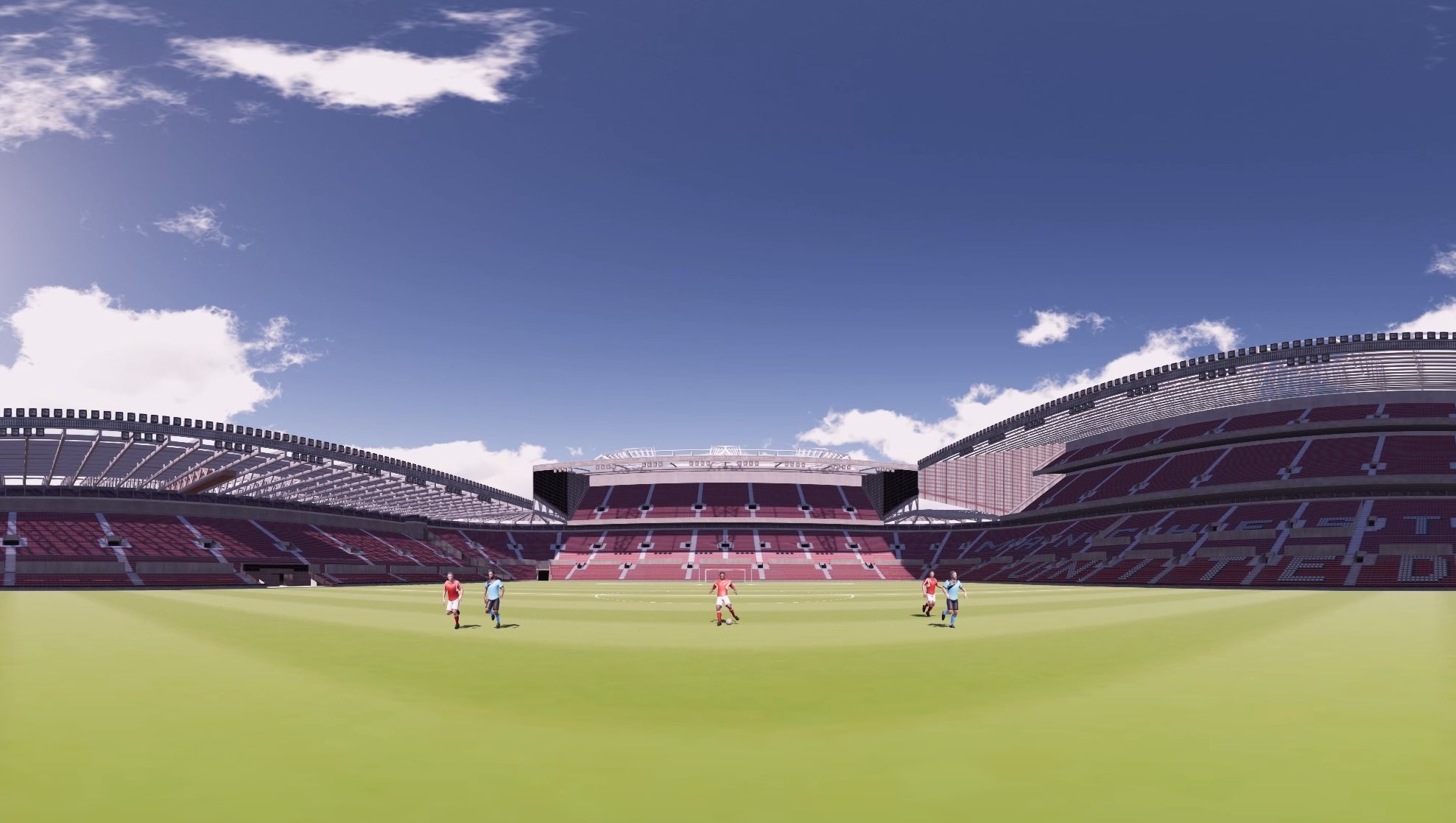
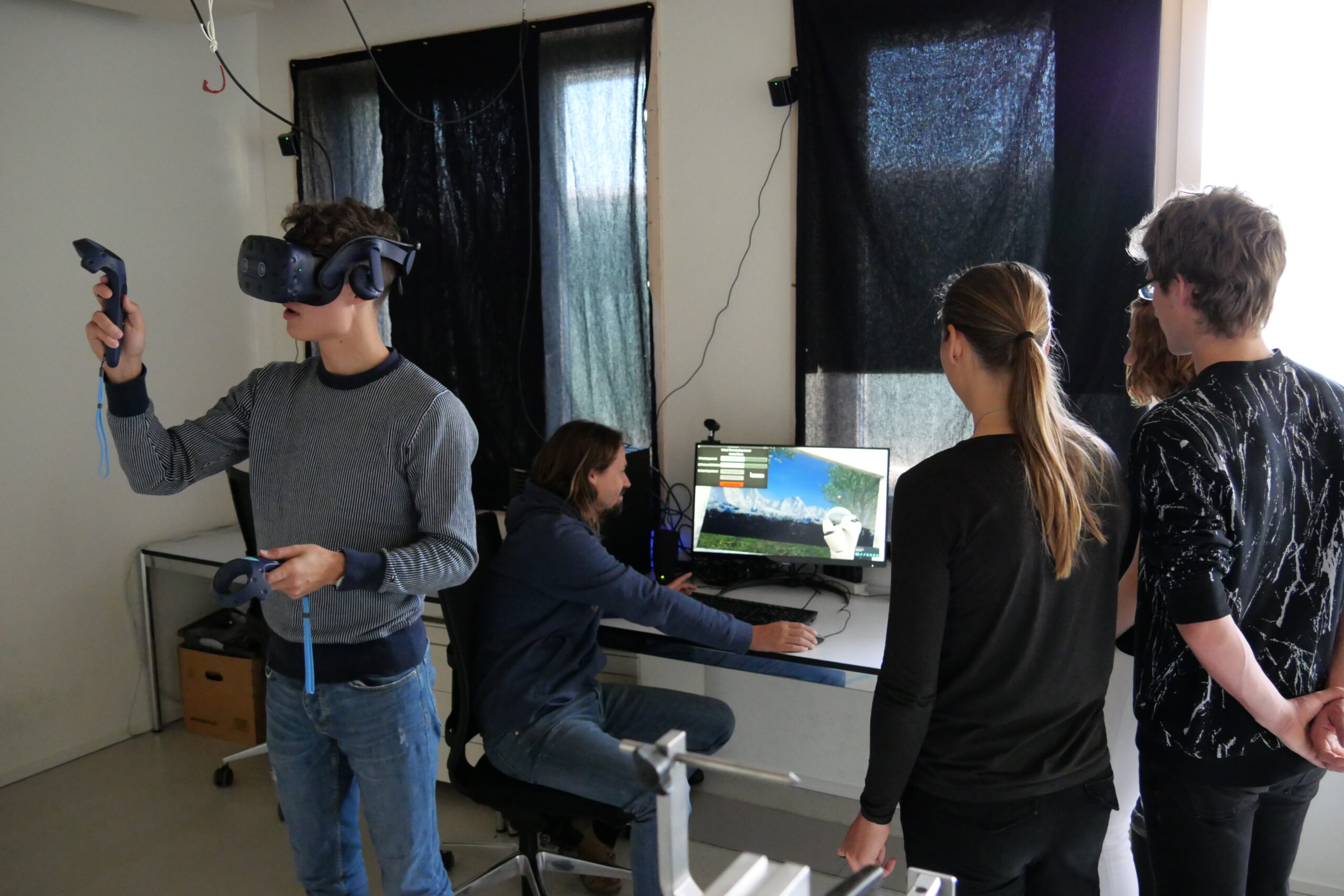
In unserem aktuellen, von der UniBern Forschungsstiftung geförderten Projekt haben wir ein mobiles Sensomotoriklabor entwickelt. Dies erlaubt uns, die Athlet*innen an ihrem Trainingsort zu testen oder deren Wahrnehmungsfähigkeiten zu verbessern. Das Messsetup besteht aus einem Head-Mounted-Display (HMD) auf dem sowohl 360°-Videos (Bild 2) als auch Virtual-Reality-Animationen (Bild 3) präsentiert werden. Körperbewegungen und Blickbewegungen können synchron aufgezeichnet werden. Um die Realitätsnähe zu maximieren, wird auch ein taktiles Feedback (per Elektromyostimulation, EMS) gewährleistet. Neben der Forschung setzen wir die Apparatur auch in kleineren Forschungsprojekten in der Lehre ein (Bild 4).

Dr. Christian Vater, Institut für Sportwissenschaft

www.ispw.unibe.ch

Bild 1

Bild 2

Bild 3

Bild 4

image002

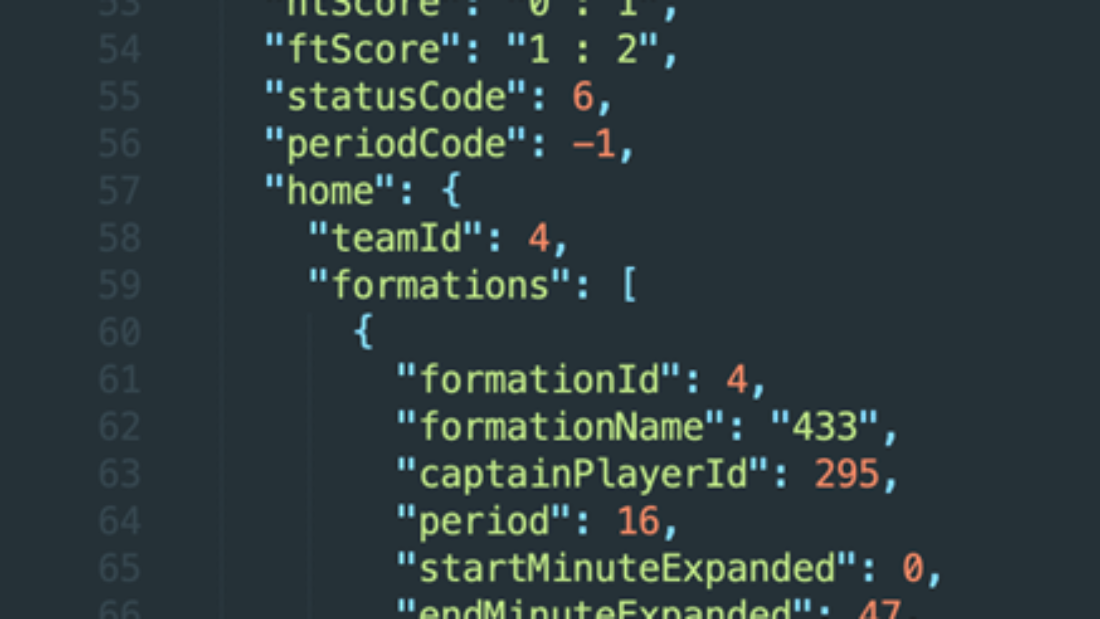
Eine soziologische Analyse von Diskriminierung im europäischen Fussball

Eine soziologische Analyse von Diskriminierung im europäischen Fussball

Die Schwerpunkte meiner Forschungen betreffen die Kultursoziologie, soziale Netzwerke und computergestützte Methoden für die Messung und Interpretation sozialer Prozesse. Hierbei ziehe ich zunehmend moderne Formen von Daten heran.

Im vorliegenden Projekt untersuche ich Tendenzen und Mechanismen sozialer Diskriminierung im europäischen Fussball. Der Fussball stellt ein Laboratorium für soziale/mikroökonomische Forschungsfragen dar. Insbesondere auf Grund seiner Spielstruktur (wiederkehrende Handlungssituationen, Rollenverteilungen der Spieler, Trainer-Team-Beziehungen etc.) ermöglicht er die Untersuchung generellerer Fragen zu sozialem Handeln. Dies beinhaltet Probleme sozialer Koordination und Kooperation, die zu Diskriminierung führen können.

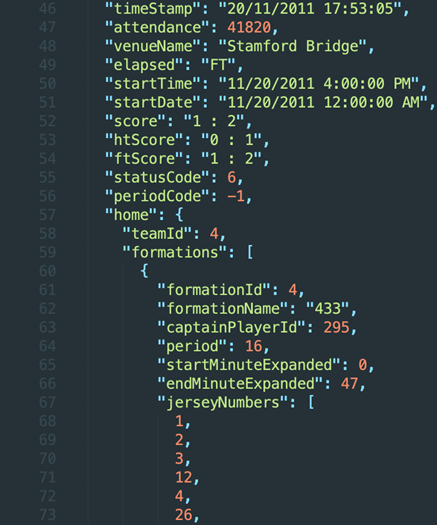
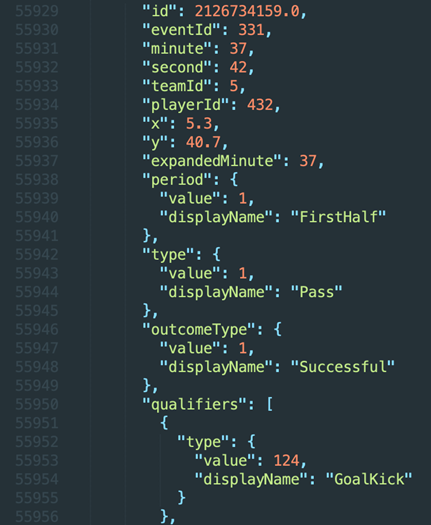
Die Erforschung verwandter Fragestellungen blieb bislang vor allem auf Grund des Mangels an geeigneten Daten stark beschränkt. Dank einem Förderbeitrag der UniBern Forschungsstiftung konnten nun neuartige Daten erworben und aufbereitet werden, die den Verlauf aller Spiele in vier europäischen Fußballligen über fünf Saisons hinweg detailliert abbilden. Ziel des Projektes ist es, mittels dieser Daten nationale sowie zeitliche Unterschiede sozialer Diskriminierung zunächst rein deskriptiv darzustellen. Daran anschließend werden soziale Mechanismen untersucht, welche die entsprechenden Tendenzen erklären könnten.

PD Dr. Achim Edelmann, Institut für Soziologie

www.soz.unibe.ch

Fördersumme 2019

Die Fördersumme unserer Stiftung zugunsten der Forschenden der Universität Bern beträgt im Jahr 2019 insgesamt CHF 321’829.–. Weiter unten auf dieser Seite ist die Liste der bewilligten Gesuche – geordnet nach Fakultäten – einsehbar.


Die Förderbeiträge werden finanziert aus dem allgemeinen Betriebsfonds unserer Stiftung, der Zuwendung der IMG Stiftung, dem Beitrag aus dem BEKB Förderfonds und der Zuwendung für Nachwuchsforschende. Die Stiftung hat aktuell die Möglichkeit, über insgesamt fünf Fördergefässe Beiträge an die Forschenden auszuschütten. Mehr Informationen dazu finden Sie hier.

Eingang von 47 Gesuchen

Für die Gesuchseingabefrist vom 13. Mai 2019 haben wir 47 Gesuche mit einer Antragssumme von insgesamt rund CHF 415’000.– erhalten. Mitte Juni wird über die Gesuche entschieden. Der nächste Termin für die Eingabe von Gesuchen wird voraussichtlich im April oder Mai 2020 sein. Ab sofort können Gesuche für diesen Termin eingereicht werden (Entscheid im Juni 2020).